
Fractional Executive vs Full-Time Executive: Which Makes More Sense?
Meta Description: A clear comparison of fractional and full-time executive hiring models.
Imagine you’re scaling a SaaS company or launching an AI-driven project. You need executive expertise, but do you go all-in with a full-time leader or tap into specialized skills with a fractional executive? This “fractional vs full-time executive” decision is a modern hiring strategy challenge—especially as businesses balance agility, cost, and expertise.
Fractional vs Full-Time Executive: What’s the Difference?
- Full-Time Executive: A permanent, core leader dedicated exclusively to your company. They drive strategy, culture, and daily operations.
- Fractional Executive: A seasoned leader who works with your business part-time or on a project basis, often serving multiple clients at once.
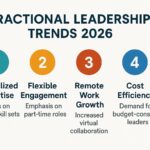
Alt text suggestion: Side-by-side graphic comparing fractional and full-time executive roles, with icons for flexibility and commitment.
Key Factors to Compare: Fractional vs Full-Time Executive
| Factor | Fractional Executive | Full-Time Executive |
|---|---|---|
| Cost | Lower; pay only for hours or projects needed | Higher; includes salary, benefits, equity |
| Expertise | Specialized, often across industries | Deep, company-specific knowledge |
| Scalability | Flexible hours, easy to ramp up/down | Fixed commitment, less agile |
| Culture Fit | Limited, may not embed deeply | Integral part of the team |
When to Hire a Fractional Executive: A Quick Framework
- Testing AI initiatives? Fractional CTOs can validate ideas without long-term risk.
- Need rapid productivity gains? Fractional COOs or CPOs can optimize workflows quickly.
- Budget-conscious? Fractional hiring stretches resources and brings in high-level insight.
For more on optimizing leadership roles and prompt engineering, check out our Prompt Engineering Frameworks and AI Productivity Tools guides.
Best Practices for Choosing the Right Executive Model
- Clarify your goals. Are you launching, scaling, or stabilizing?
- Assess project scope. Is the need ongoing or project-based?
- Map out budget and risk tolerance.
- Consider culture and long-term vision.
Learn more about hiring strategies from resources like Harvard Business Review’s guide to fractional executives.
FAQ: Fractional vs Full-Time Executive
- What is a fractional executive?
- A fractional executive is a seasoned leader who works with your business part-time, providing expertise without the full-time cost or commitment.
- When does fractional hiring make sense?
- It’s ideal for startups, project-based needs, or when you require niche expertise but can’t justify a full-time salary.
- Are fractional executives as effective as full-time?
- For short-term, targeted initiatives, yes. For deep company transformation or culture building, full-time may be better.
- How do costs compare between fractional and full-time executives?
- Fractional executives typically cost less overall because you pay only for specific hours or projects, while full-time roles include salary, benefits, and equity.
- Can a fractional executive help with AI and productivity strategies?
- Absolutely—they often bring cutting-edge insights, especially in fast-evolving fields like AI and prompt engineering.
Explore Smarter Executive Hiring
Whether you’re exploring AI initiatives or optimizing your hiring strategy, Your Neo Gig offers expert insights and practical frameworks to help you make the right leadership decisions. Connect with us to learn more—or browse our latest resources for actionable advice.