Introduction
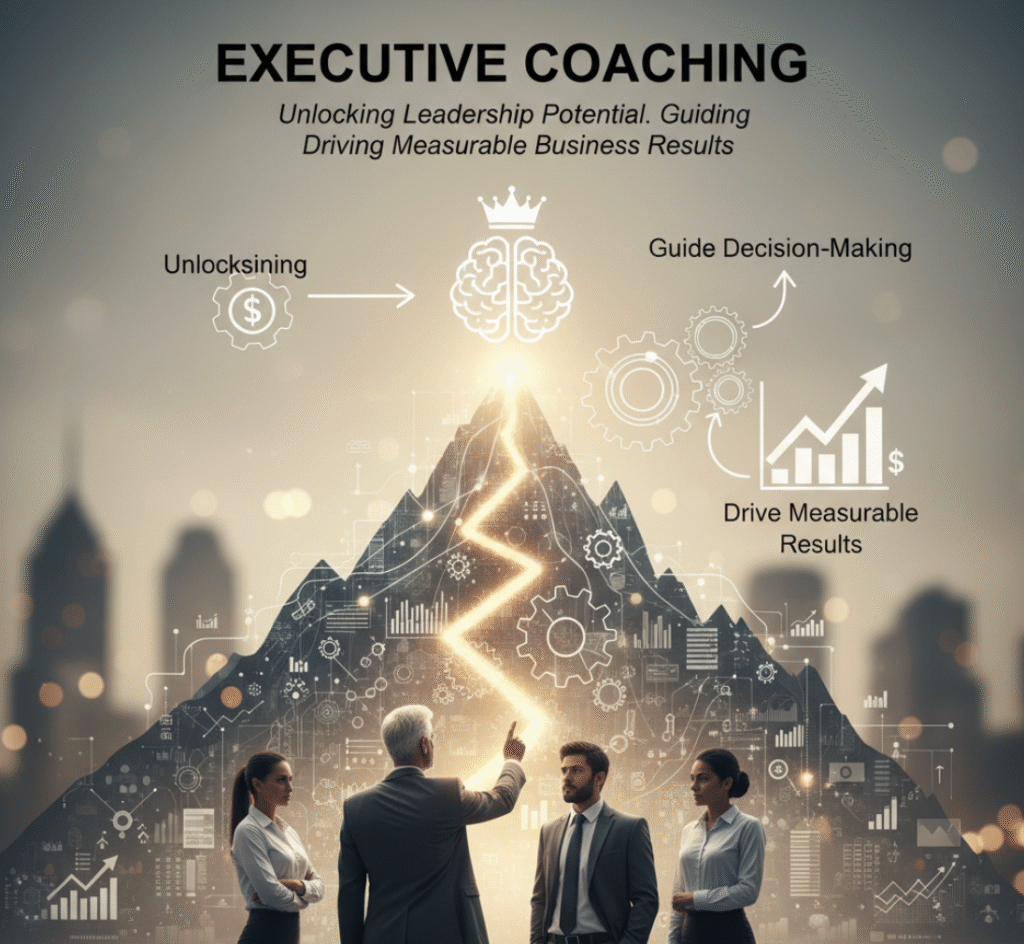
Hiring and developing top talent is one of the biggest challenges modern organizations face. Even experienced executives can hit roadblocks when navigating complex business landscapes. This is where executive coaching comes in—a strategic tool to unlock leadership potential, guide decision-making, and drive measurable business results.
What Is Executive Coaching?
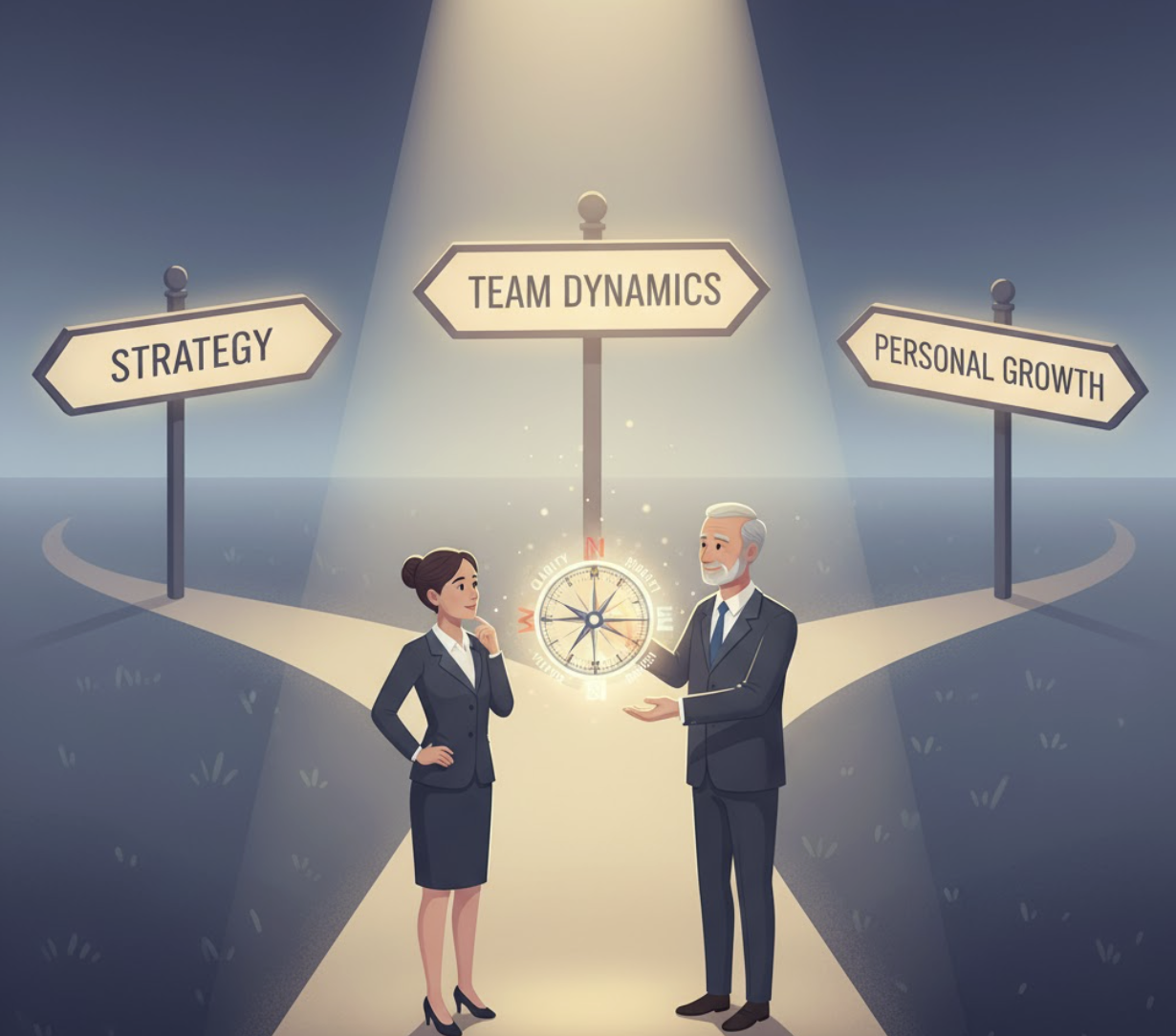
Executive coaching is a personalized, professional relationship in which a trained coach helps business leaders refine their skills, expand their mindset, and achieve both personal and organizational goals. Unlike traditional training programs, executive coaching is tailored to individual needs, focusing on real-world challenges and actionable strategies.
Key Components of Executive Coaching
- One-on-one sessions: Customized guidance for leadership growth.
- Behavioral assessments: Identify strengths, weaknesses, and opportunities.
- Goal setting: Align personal development with business objectives.
- Feedback and reflection: Create actionable insights and continuous improvement.
Who Benefits from Executive Coaching?
Executive coaching is valuable for leaders across industries and organizational levels:
- C-suite executives: CEOs, CFOs, and COOs navigating strategic decisions.
- High-potential managers: Emerging leaders preparing for senior roles.
- Specialized executives: Leaders in marketing, IT, finance, and sales seeking targeted growth.
- Teams facing change: Organizations undergoing mergers, acquisitions, or restructuring.
Fractional executives engaged through platforms like NeoGig can also leverage coaching to quickly integrate and deliver impactful leadership across business units.
How Coaches Guide Leaders
Executive coaches provide structured guidance and accountability, using frameworks and tools to help leaders:
- Develop strategic thinking: Enhance decision-making and vision.
- Improve communication: Foster alignment across teams.
- Strengthen emotional intelligence: Navigate interpersonal dynamics effectively.
- Build resilience: Handle stress, setbacks, and organizational change.
Frameworks like GROW (Goal, Reality, Options, Will) or CLEAR (Contracting, Listening, Exploring, Action, Review) are commonly used to structure coaching sessions and ensure measurable outcomes.

The Business Impact of Executive Coaching
Investing in executive coaching can yield significant returns:
- Enhanced performance: Leaders make better decisions and execute strategy more effectively.
- Improved retention: High-performing leaders are more engaged and likely to stay.
- Organizational alignment: Teams operate with a shared vision and goals.
- Innovation and growth: Leaders become better at navigating change and seizing opportunities.
For more insights on leadership strategies and fractional executive engagement, explore NeoGig’s resources and tools like the 90-Day Success Checklist.
Frequently Asked Questions
1. What is the difference between executive coaching and mentoring?
Executive coaching focuses on structured, goal-oriented development with professional guidance, while mentoring is often informal, experience-based advice from a senior colleague.
2. How long does executive coaching last?
Programs typically range from three months to a year, depending on goals and organizational needs.
3. Can executive coaching be done virtually?
Yes, virtual coaching sessions are common and effective, especially for fractional executives across multiple locations.
4. What outcomes should I expect from executive coaching?
Leaders can expect improved decision-making, enhanced communication skills, greater emotional intelligence, and stronger business performance.
5. Who provides executive coaching?
Certified executive coaches, often with backgrounds in leadership, HR, psychology, or industry-specific expertise, deliver coaching services.
6. How is coaching measured for ROI?
Through KPIs such as team performance, leadership effectiveness surveys, employee engagement, and business results aligned with strategic goals.
Conclusion
Executive coaching is a powerful tool for unlocking leadership potential and driving tangible business impact. Whether you’re a C-suite executive, a high-potential manager, or a fractional leader, coaching helps navigate complex challenges, sharpen skills, and achieve strategic goals. Consider engaging a fractional executive through NeoGig to benefit from expert leadership guidance tailored to your organization’s unique needs.
Image Alt Text Examples:
- “Executive coaching session with leadership development framework”
- “CFO receiving one-on-one coaching guidance”
- “Fractional executive engaging in leadership development session”